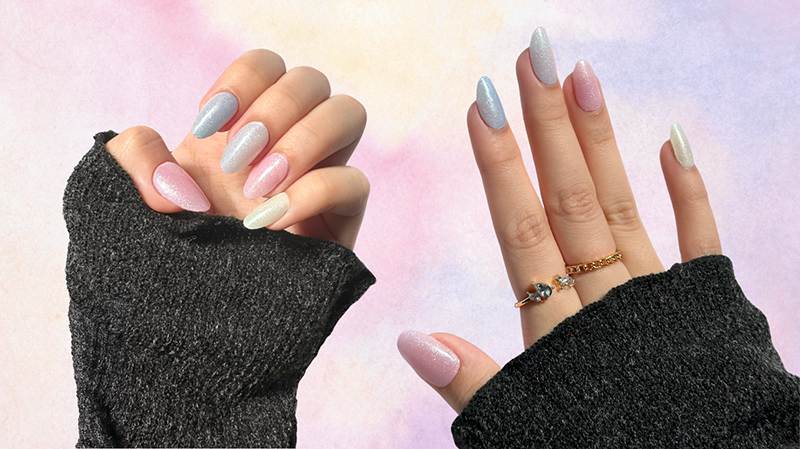

Gel nail stickers—also called semi-cured gel strips or gel wraps—have become one of the most popular alternatives to traditional nail polish. They promise salon-quality shine, long wear, and a mess-free application. But they are not the same as a bottle of regular polish, and they are not right for every situation. Understanding how they work, how they are applied and removed, and how they compare with traditional polish can help you choose the option that fits your lifestyle.
What Are Gel Nail Stickers?
Gel nail stickers are thin strips made from real gel polish that has been partially cured in the factory. This partial cure keeps them flexible enough to stretch slightly and conform to the shape of your nail. Once applied, they are cured under a UV or LED lamp. The remaining gel hardens, bonding the sticker to the nail and creating a durable, high-gloss finish.
Unlike press-on nails, gel stickers are not thick plastic tips. They are thin gel layers that sit on top of the natural nail. They add colour, shine, and a small amount of protection, but they do not add significant length or structure. Most sets last about 10 to 14 days with proper application.
How to Apply Gel Nail Stickers?
Application is straightforward, but preparation is critical.
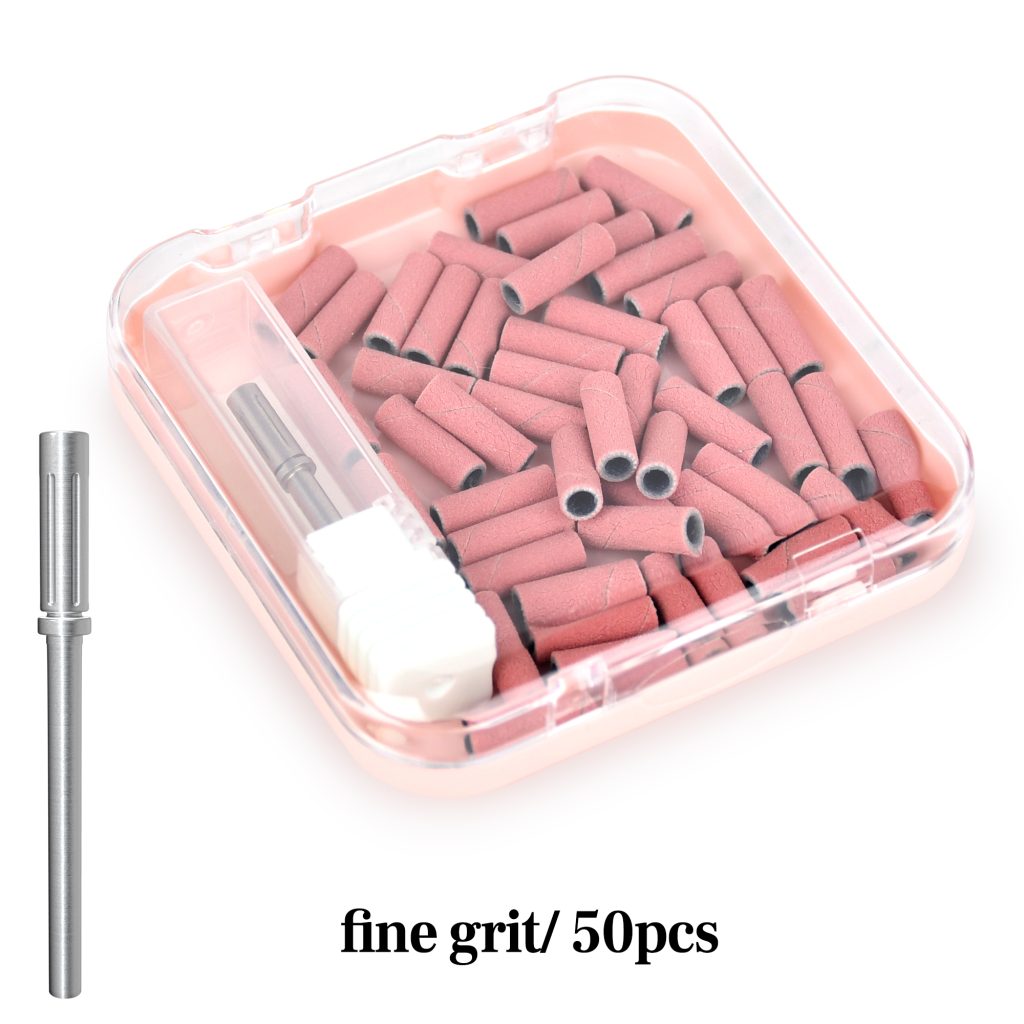
Start with clean, dry nails. Push back the cuticles gently and shape the nails with a fine-grit sanding band. Lightly buff the nail surface to remove shine. Wipe each nail with rubbing alcohol or a nail dehydrator to remove oils and dust. Do not touch the nails after this step.
Choose a sticker that fits the nail from sidewall to sidewall without overlapping the skin. Peel it from the backing and place the rounded edge just above the cuticle. Press from the centre outward, smoothing out air bubbles with a wooden stick. Fold the excess over the free edge and file it away in one direction.
Cure the sticker under a UV or LED lamp for 60 to 90 seconds. For extra durability, apply a thin gel top coat and cure again. Finish with cuticle oil.
How to Remove Gel Nail Stickers?
Gel stickers are removed with oil or warm water, not acetone.
Apply cuticle oil around the edges and under the free edge. Wait a few minutes. Use a wooden stick to gently lift the sticker from the side. If it resists, apply more oil and wait. You can also soak the nails in warm soapy water for a few minutes. Peel slowly and gently—never force it. After removal, wipe away any residue with alcohol and apply cuticle oil.
Advantages of Gel Nail Stickers
The biggest advantage is convenience. A full set can be applied in 10 to 15 minutes. There is no painting, no drying time, and no risk of smudging. The design is already printed, so you get consistent, professional-looking nails without artistic skill. The finish is glossy and stays glossy. Most sets last 10 to 14 days, which is significantly longer than traditional polish.
Gel stickers are also tidy. There are no bottles to spill, no brushes to clean, and no strong solvent smell. They are travel-friendly and easy to store. Because they are thin and flexible, they feel lightweight on the nail. And because removal uses oil rather than acetone, they are gentler on the natural nail than gel polish.
Disadvantages of Gel Nail Stickers
Gel stickers require a UV or LED lamp. That is an upfront cost and an extra step. They are also more expensive per application than a bottle of regular polish. A single set costs more than one manicure with polish, even though it may last longer.
Sizing can be a challenge. If the sticker is too wide, it overlaps the skin and lifts. If it is too narrow, the edges are exposed and catch on things. Very curved nails or unusually shaped nail beds may not fit standard stickers well.
Customization is limited. You choose from the designs and colours available. You cannot mix your own shade or create freehand art as easily as you can with bottles of polish. And if you like changing your colour every few days, gel stickers are not ideal—they are designed to stay on.
Finally, removal takes time. If you rush and peel the sticker off dry, you can damage the nail. Proper removal with oil is gentle but requires patience.
Advantages of Traditional Nail Polish
Traditional polish is affordable, widely available, and easy to use. A bottle lasts for many manicures. You can choose from an enormous range of colours and finishes, and you can mix shades or create nail art. There is no lamp, no curing, and no special equipment. Removal is quick with a cotton pad and remover.
Traditional polish is also ideal for people who change their nails often. If you like a new colour every week, polish is more practical and less expensive than gel stickers. Touch-ups are easy, and you can remove it in minutes.
Disadvantages of Traditional Nail Polish
The main drawback is wear time. Regular polish typically chips within three to seven days. It requires drying time, and it can smudge if you are not careful. Achieving a smooth, even finish takes practice. Without a base coat, dark colours can stain the nail. And the smell of solvents can be unpleasant in a small room.
How to Choose Between Them?
Choose gel nail stickers if you want long wear, a glossy finish, and a fast, mess-free application. They are ideal for vacations, busy weeks, special events, and anyone who does not have the time or skill to paint their nails neatly. They are also a good choice if you dislike strong polish smells or want a design that looks professional without effort.
Choose traditional polish if you change your colour often, prefer a low-cost option, or do not want to use a lamp. It is also better if you enjoy creating your own nail art or mixing shades. For everyday wear with frequent colour changes, traditional polish is more practical.
Many people use both. Gel stickers for times when they need long-lasting, flawless nails. Traditional polish for weeks when they want to experiment, change colours, or give their nails a break.
Final Thoughts
Gel nail stickers and traditional polish are both excellent options, but they serve different needs. Gel stickers offer convenience, durability, and a salon-quality finish with minimal skill. Traditional polish offers flexibility, affordability, and creative freedom. Neither is universally better. The right choice depends on your schedule, your budget, your nail shape, and how often you like to change your look. With proper application and gentle removal, both can keep your nails looking beautiful without compromising their health.
Read also: Yellow Nails: Fungal Infection or Simple Staining?