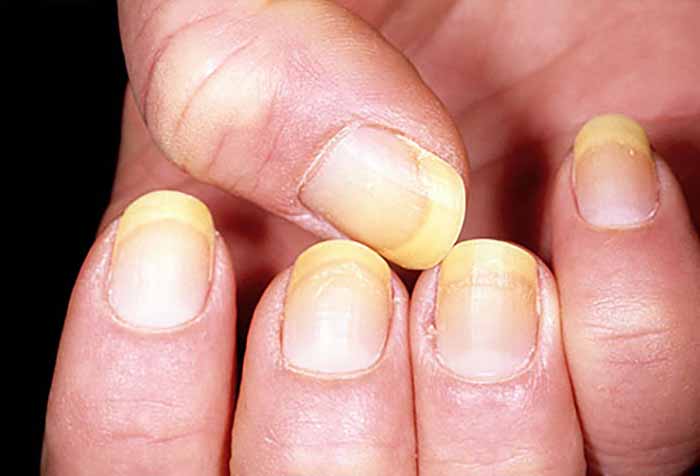

I remember the shock of removing a dark red polish and finding my nails stained a dull, yellowish colour. I immediately assumed I had a fungal infection. But after weeks of gentle buffing and care, the yellow faded. It was just staining.
Yellow nails can be caused by a variety of factors, from harmless staining to more serious conditions. Understanding the difference is the first step to addressing the problem.
Here is everything I have learned about yellow nails: what causes them, how to tell the difference between staining and infection, and how to prevent and treat them.
Fungal Infection vs. Simple Staining
Staining. Caused by pigments in nail polish, especially dark colours like red, blue, and purple. Staining is superficial and affects only the surface of the nail plate. The nail remains smooth, and the yellow colour is uniform. Staining typically fades with gentle buffing and grows out as the nail grows.
Fungal infection. Caused by a fungal organism that infects the nail bed and nail plate. Fungal infections often cause thickening, crumbling, and a yellow or brownish discolouration. The nail may become brittle, and debris may accumulate under the nail. Unlike staining, fungal infections do not grow out on their own and require medical treatment.
If your nails are yellow but smooth and uniform, staining is likely. If your nails are yellow, thickened, or crumbling, or if you notice debris under the nail, consult a healthcare professional.
Common Causes of Yellow Nails
Nail polish staining. This is the most common cause. Dark-coloured polishes—especially reds, blues, and purples—contain pigments that can seep into the porous layers of the nail plate, leaving a yellow or orange tint. This is particularly noticeable with cheaper polishes that use low-grade pigments.
Smoking. Nicotine and tar from smoking are notorious for yellowing nails. The yellowing is often more pronounced on the fingers that hold the cigarette and can be difficult to remove without professional treatment.
Fungal infection. Fungal infections can cause the nail to thicken, crumble, and turn yellow or brown. Unlike staining, this discolouration is usually accompanied by other symptoms. If you suspect a fungal infection, consult a healthcare professional.
Health conditions. Thyroid disorders, psoriasis, and respiratory issues can cause yellowing. In these cases, yellow nails are a symptom of an underlying issue.
Aging. Nails can yellow with age due to slow growth and cumulative staining.
Repeated exposure to nail polish remover. Acetone can dry out the nail plate, making it more porous and prone to staining.
How to Prevent Yellow Nails?
Always use a base coat. This is the single most effective prevention method. Apply a thin, even layer of base coat before any colour. For extra protection, use a ridge-filling base coat, which provides a thicker barrier.
Choose high-quality polishes. Professional-grade polishes use higher-quality pigments that are less likely to stain. They are worth the investment.
Limit dark polish wear. Dark colours—especially reds, blues, and purples—are the most likely to stain. Limit the time you wear them to a week at a time, and always use a base coat.
Remove polish gently. Avoid peeling or scraping off polish, which can damage the nail surface. Use a gentle remover and allow it to dissolve the polish.
Give your nails a break. Take a break from polish for a few days every month. This allows the nail plate to breathe and recover.
Avoid smoking. This is one of the most effective ways to prevent yellowing.
Protect your hands. Wear gloves when handling chemicals or doing tasks that expose your nails to staining agents.
Apply sunscreen to your hands. UV exposure can break down pigment and lead to discolouration.
What to Do About Thickened Nails?
Thickened nails are often a sign of a fungal infection. If your nails are thick, yellow, and crumbling, consult a healthcare professional. They may recommend antifungal medications or treatments. In the meantime, keep your nails trimmed and dry, and avoid walking barefoot in public areas. Do not attempt to file down a thickened nail yourself—this can damage the nail bed and worsen the condition.
General Nail Care Tips
Keep nails clean and dry. Moisture encourages fungal growth. Dry your nails thoroughly after washing.
Moisturise daily. Apply cuticle oil and hand cream to keep nails hydrated and flexible.
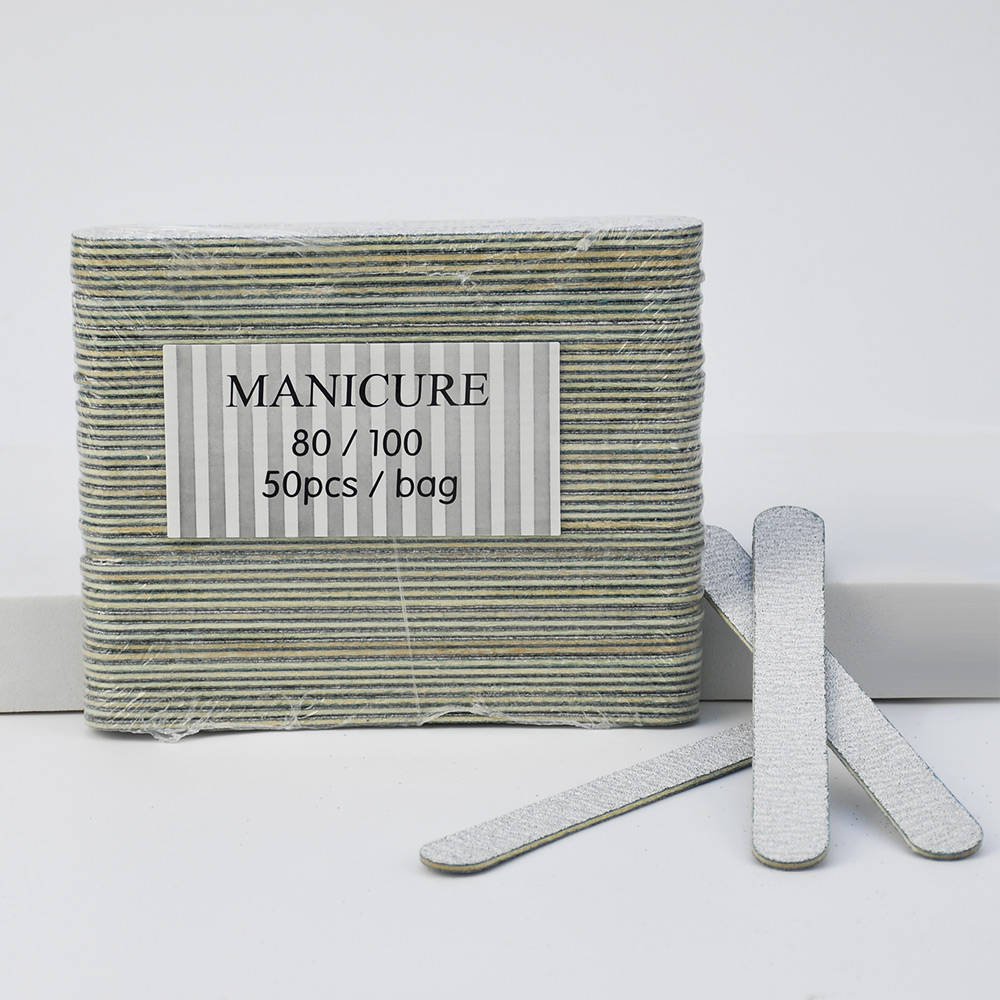
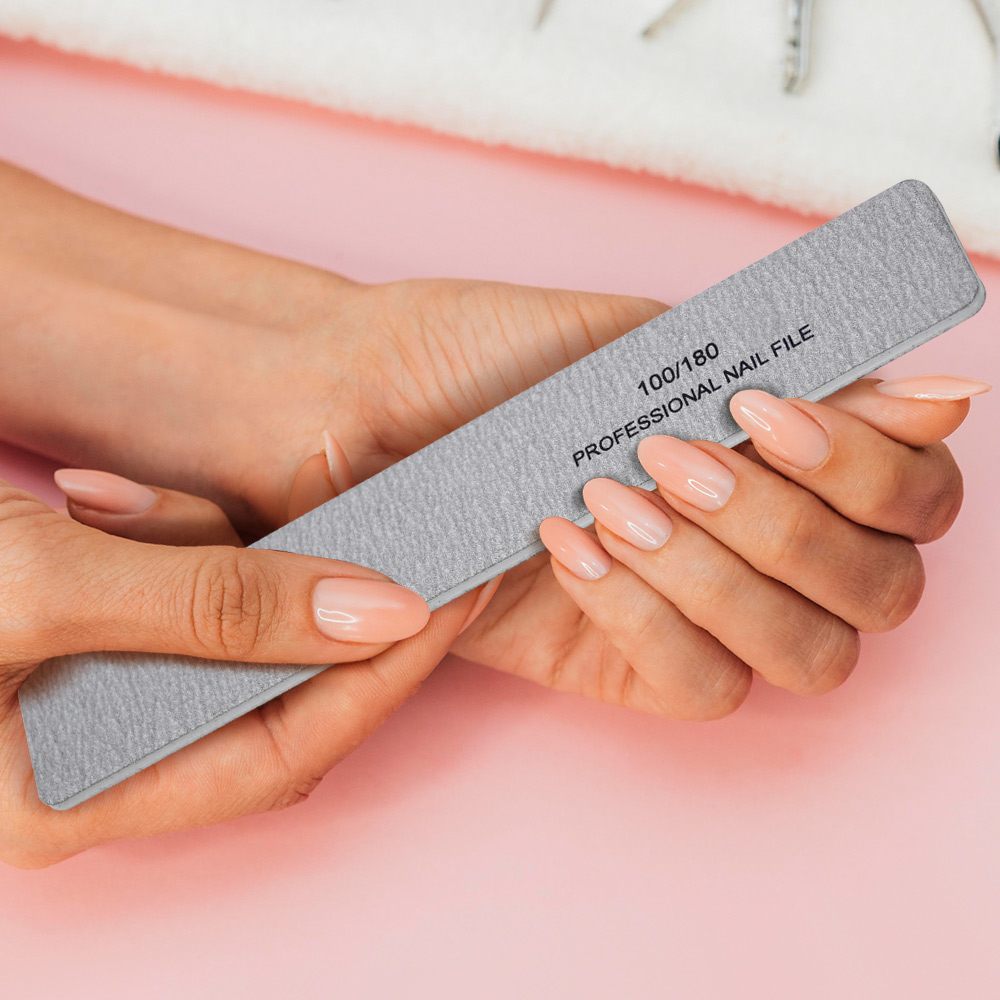
File correctly. Always file in one direction and use a fine-grit nail file on natural nails.
Wear gloves for wet work. Protect your nails from water and chemicals.
Inspect your nails regularly. Look for changes in colour, texture, or shape. Early detection can prevent bigger issues.
Eat a balanced diet. Nails are made of keratin—a protein. Include lean meats, eggs, fish, beans, and legumes in your diet.
The Bottom Line
Yellow nails can be caused by staining from polish, smoking, or more serious conditions like fungal infections or health issues. Prevention is the best approach: use a base coat, choose high-quality polishes, limit dark polish wear, and give your nails regular breaks. If your nails are yellow, thickened, or crumbling, consult a healthcare professional. With proper care and early intervention, you can maintain healthy, clear nails.
Read also: The Korean Blush Nail Art: A Complete Guide to the Dreamy Gradient Trend

[…] Read also: Yellow Nails: Fungal Infection or Simple Staining? […]